
Old ways
How smoke preserves fish
Before refrigeration, salt and smoke were how a good catch lasted through the winter. Here is what is actually happening inside the smoker.
Salt does the first job
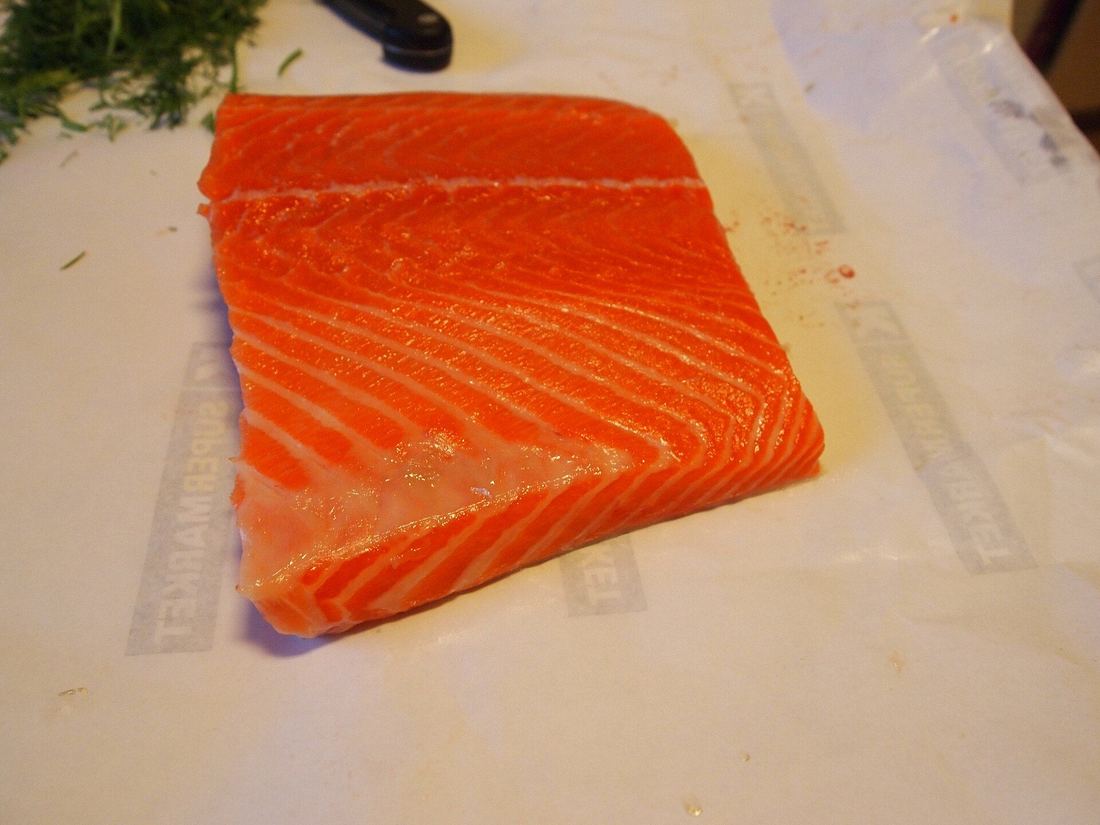
Every traditional smoked fish starts with salt. Salt draws water out of the flesh, and bacteria need water to grow. A properly cured fillet is firmer, darker and far less hospitable to spoilage than a fresh one. On the west coast of Ireland, salmon and herring were salted for days before they ever saw a fire.
Smoke does the second
Wood smoke carries compounds that slow the growth of bacteria and stop fats from turning rancid. It also forms a dry outer skin, called the pellicle, which helps seal the surface. That is where the colour and the flavour come from too.
Hot smoking and cold smoking
There are two ways to do it, and they are not interchangeable.
- Hot smoking cooks the fish while it smokes. Heat and smoke work together, and the fish is ready to eat as soon as it is cooked through. This is the method a portable smoker is made for, and the one to start with.
- Cold smoking keeps the temperature low, so the fish is flavoured and dried but never cooked. Traditional smoked salmon is made this way. It relies heavily on a thorough cure and careful temperature control, and is best left until you have real experience.
Food safety. Smoking alone does not make fish safe to keep. Hot-smoked fish should be cooked right through, eaten fresh, and kept cold if you are not eating it straight away. Treat home-smoked fish like any other cooked fish, not like a shop-bought preserved product.
Trying it at camp
Mackerel and trout are the easiest place to begin. Both are oily, which keeps them moist, and both are common catches. A short dry brine of salt with a little sugar, a rinse, half an hour to let the surface dry, then into a hot smoker over fine wood chips. Within half an hour or so you will have something better than anything you can buy.
More Field NotesField notes, recipes and new gear.
Good smoke takes time. Good emails should not.