
Fire & smoke
Choosing wood for smoking
The wood you burn decides what your food tastes like. Some woods are a gift, and a few will ruin a meal.
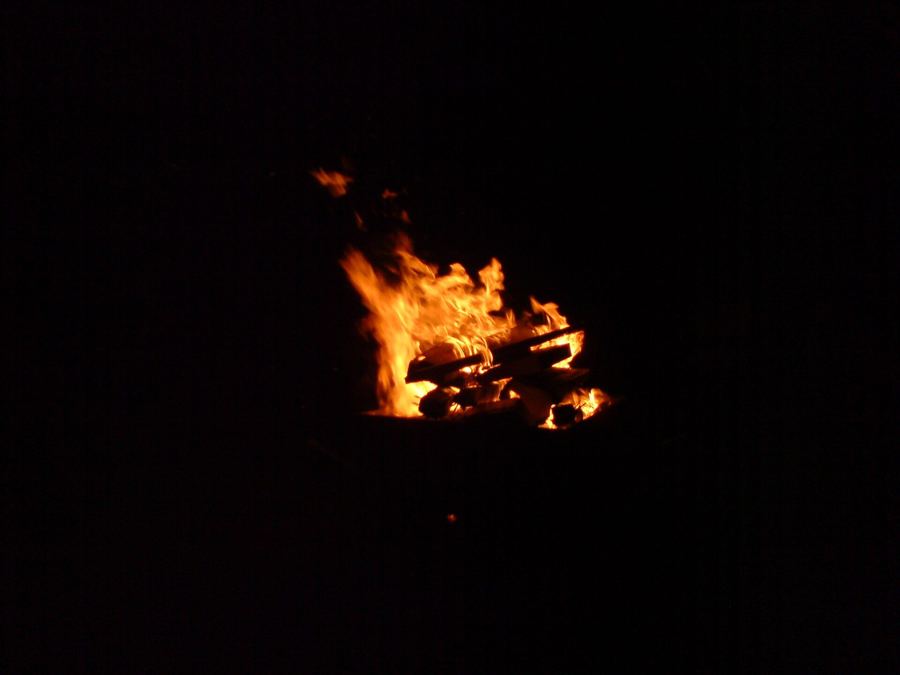
Hardwood, always
Smoke with hardwoods from broadleaf trees. Softwoods such as pine, spruce and larch are full of resin, which burns with a sooty, bitter smoke that coats food and tastes of turpentine. They are fine for getting a campfire going and wrong for anything you plan to eat.
Woods worth knowing
- Oak: the traditional choice for Irish smoked salmon. Steady, medium-strength and hard to get wrong.
- Alder: the classic fish wood across northern Europe. Light and slightly sweet.
- Beech: mild and clean. A good all-rounder for fish, cheese and vegetables.
- Apple and cherry: fruitwoods with a gentle sweetness. Lovely with fish and poultry.
- Hickory and mesquite: very strong. Use sparingly, and not on delicate fish.
What never goes in
- Painted, varnished, treated or pressure-treated timber, including old pallets and fence posts.
- Wood you cannot identify.
- Anything mouldy or rotten.
- Green, freshly cut wood, which smoulders and produces a harsh, acrid smoke.
Chips, chunks and dust
Size matters as much as species. Small portable smokers work best with fine chips or sawdust, which smoulder quickly and give a clean smoke over a short cook. Larger chunks suit long, slow sessions. Whatever you use, it should be dry. Seasoned wood gives thin blue smoke, which is what you want. Thick white smoke means the fuel is wet or starved of air, and the food will taste of it.
More Field NotesField notes, recipes and new gear.
Good smoke takes time. Good emails should not.